If you’ve ever stood in front of a supermarket shelf or a wine bar wall thinking, “I have absolutely no idea what any of these labels mean,” you’re in very good company. Wine labels can feel intimidating even to people who drink wine regularly. They’re filled with foreign words, symbols, numbers, and sometimes even unexpected animals.
But here’s the truth: once you know the key elements to look for, reading a wine label becomes surprisingly simple, and genuinely fun. It opens up a whole new way of choosing wine based on what you enjoy, not what looks fancy or complicated.
Let’s break it down in a way that makes sense, even if you’re just beginning your wine journey.
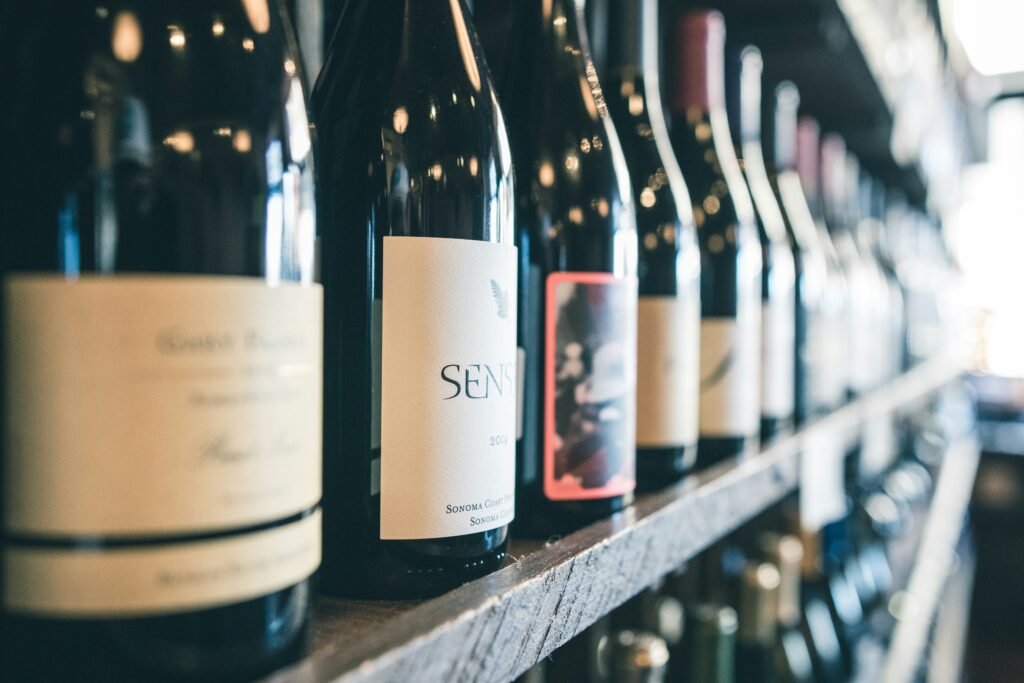
1. The Five Things Every Wine Label Tells You
Most wine labels, no matter the country, include a few core pieces of information. Think of these as your “starter clues”:
Producer name
This is who made the wine. If you’ve tried a producer you liked before, chances are you’ll enjoy their other bottles too. Many wine lover build their preferences around producers rather than grapes.
Region or Appellation
This tells you where the grapes were grown, and location matters a lot. Examples Bordeaux, Barolo, Tuscany, Mendoza, Marlborough.
A region often gives you clues about the wine’s style: warm climates produce richer, fruitier wines; cooler climates create fresher, more aromatic ones.
Grape variety
This is what the wine is made from (Pinot Noir, Tempranillo, Chardonnay…).
European wines may not list the grape, because in many countries the region already implies the variety. For example:
- Chablis = Chardonnay
- Sancerre = Sauvignon Blanc
- Rioja = Tempranillo-based
On the contrary, New World wines (from Argentina, Australia, or the US) almost always list their grape varieties.
Vintage (Year)
This is when the grapes were harvested. Warm, sunny years generally produce fuller wines. Cooler years can make fresher, higher-acid styles. If you see NV (non-vintage), that simply means grapes from different years were blended.
ABV (Alcohol by Volume)
It tells you the strength of the wine. A higher ABV usually means a fuller-bodied style.
12%? Light and fresh.
14%+? Expect flavour and power.
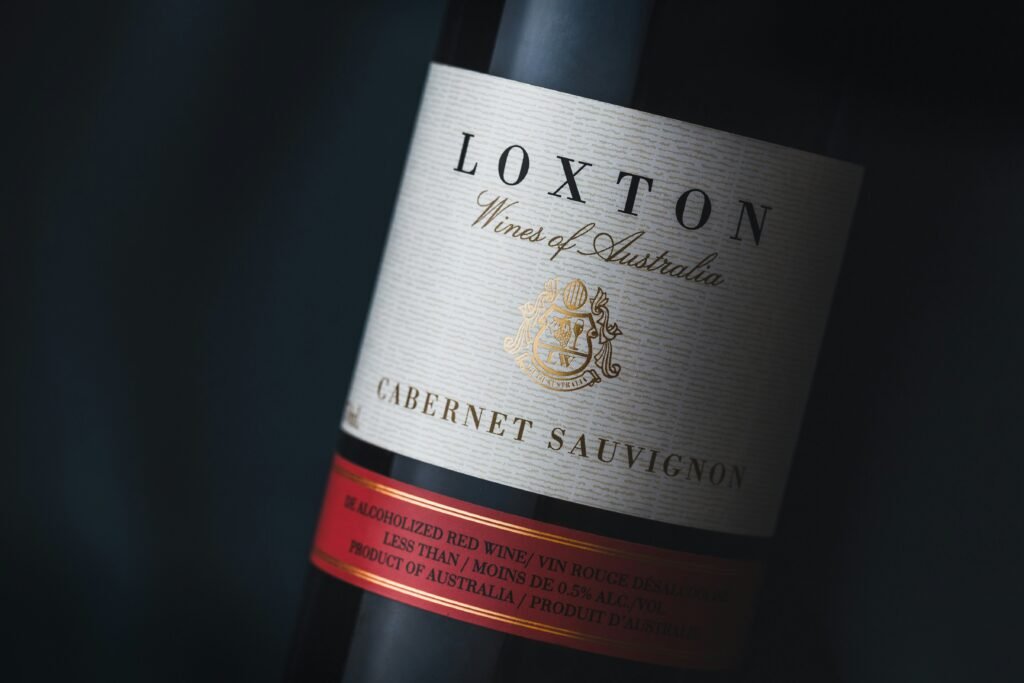
2. Europe vs. The Rest of the World
Here’s a surprisingly helpful trick:
European wines (Old World): Region First
France, Italy, Spain, Portugal, Germany…
Instead of “Chardonnay”, they say “Burgundy”.
Instead of “Tempranillo”, they say “Rioja”.
Why? Tradition. Wine has been made there for centuries, so the region itself defines the style.
New World wines: Grape First
Argentina, Chile, South Africa, Australia, New Zealand, USA…
These labels proudly highlight the grape variety: “Malbec”, “Carbernet Sauvignon”, “Pinot Grigio”.
It’s straightforward and perfect for beginners.
So if you see Rioja, you’re buying a Tempranillo-based wine from Spain. If you see Pinot Noir from Oregon, you know the grape right away but not necessarily the style, so the region helps you guess that.
3. Extra Clues That Make You Look Like a Pro
Once you’ve got the basics, here are additional terms that tell you even more:
- Estate Bottled – it means the winery grew, harvested, and bottled its own grapes. Usually a sign of care and quality.
- Reserve / Riserva / Reserva – often signals longer ageing or special selection, though it’s not always regulated and meaning varies by country.
- Old vines (Vieilles Vignes / Viñas Viejas) – older vines give fewer grapes but much more concentrated flavour.
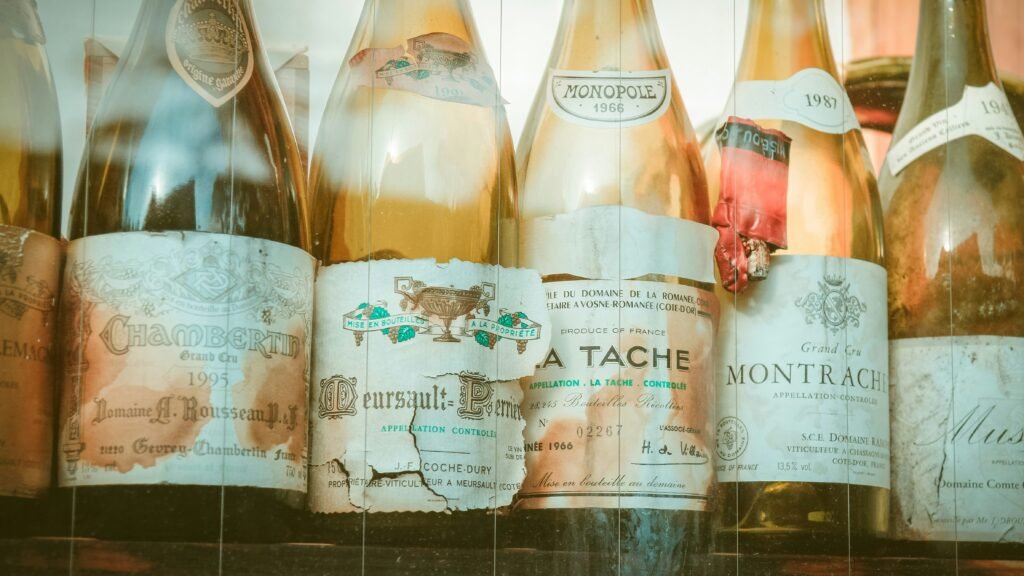
- Cru / Premier Cru / Grand Cru – In France, these indicate vineyard quality levels.
- Organic / Biodynamic Symbols – look for EU leaf logos or specific certifications.
These little clues can help you predict the wine’s style before even opening it.
4. Fun Facts to Impress your Wine Friends
Here are two simple, memorable nuggets:
- Wine labels with animals used to outsell every other design in supermarkets, a trend started by Australia’s Yellow Tail! Producers quickly realised people love a cute kangaroo.
- The word “Cru” simply means “growth”, but when you see Grand Cru or Premier Cru on a French wine, you’re looking at some of the country’s very best vineyards.
- The longer the label text, the more traditional the winery often is, minimalist labels tend to be more modern or experimental.
5. Final Tip: Trust Your Taste, Not the Label
At the end of the day, the best wine in the world is the one you enjoy. Use labels as helpful clues, not rules. If you want to go one step further, keep notes, your phone or a wine journal works perfectly.
In no time, you’ll spot patterns, understand your preferences, and choose bottles with total confidence. Wine becomes less about memorising facts and more about about discovering flavours, places, and stories. Cheers to that!